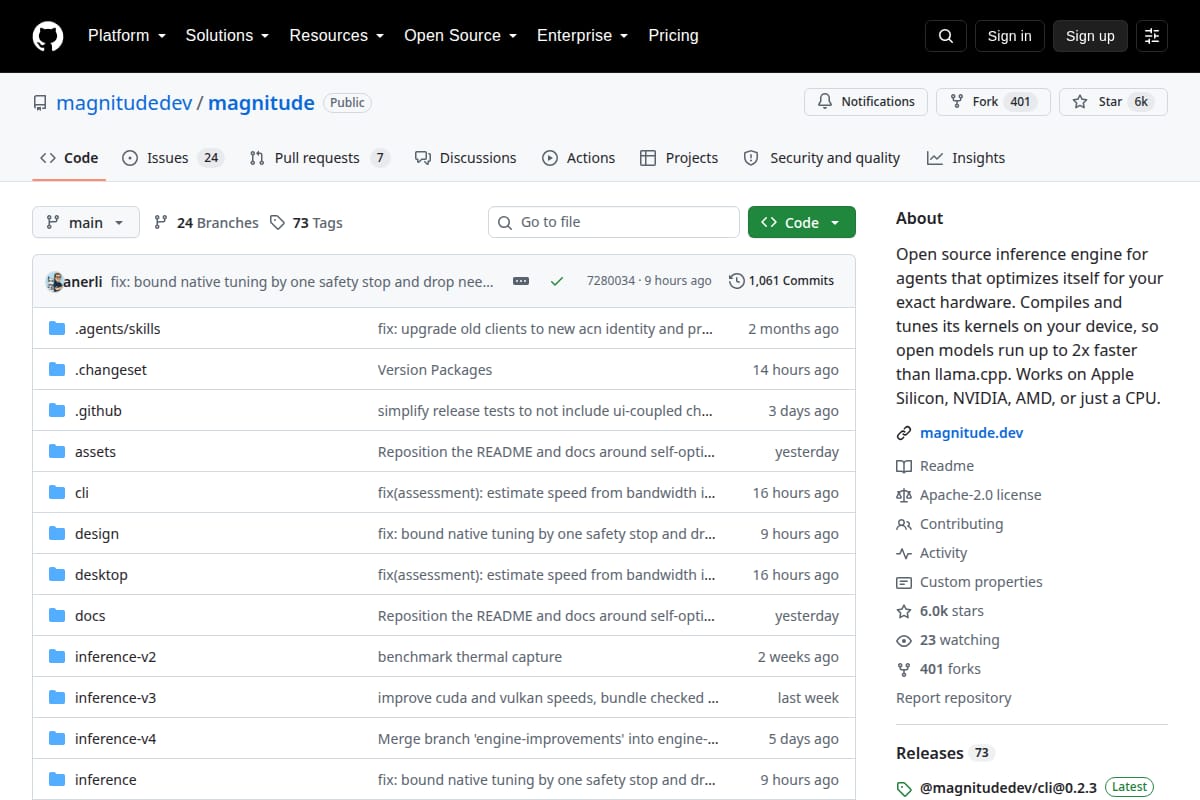
Developer Tool / AI Coding

Aming Claw

An open-source multi-agent coding framework that uses a commit-bound project graph to scope worker tasks, replay failed runs, and merge accepted diffs through ordered Git reconciliation.

Clear23/30
Useful24/30
Specific18/20
Complete12/20
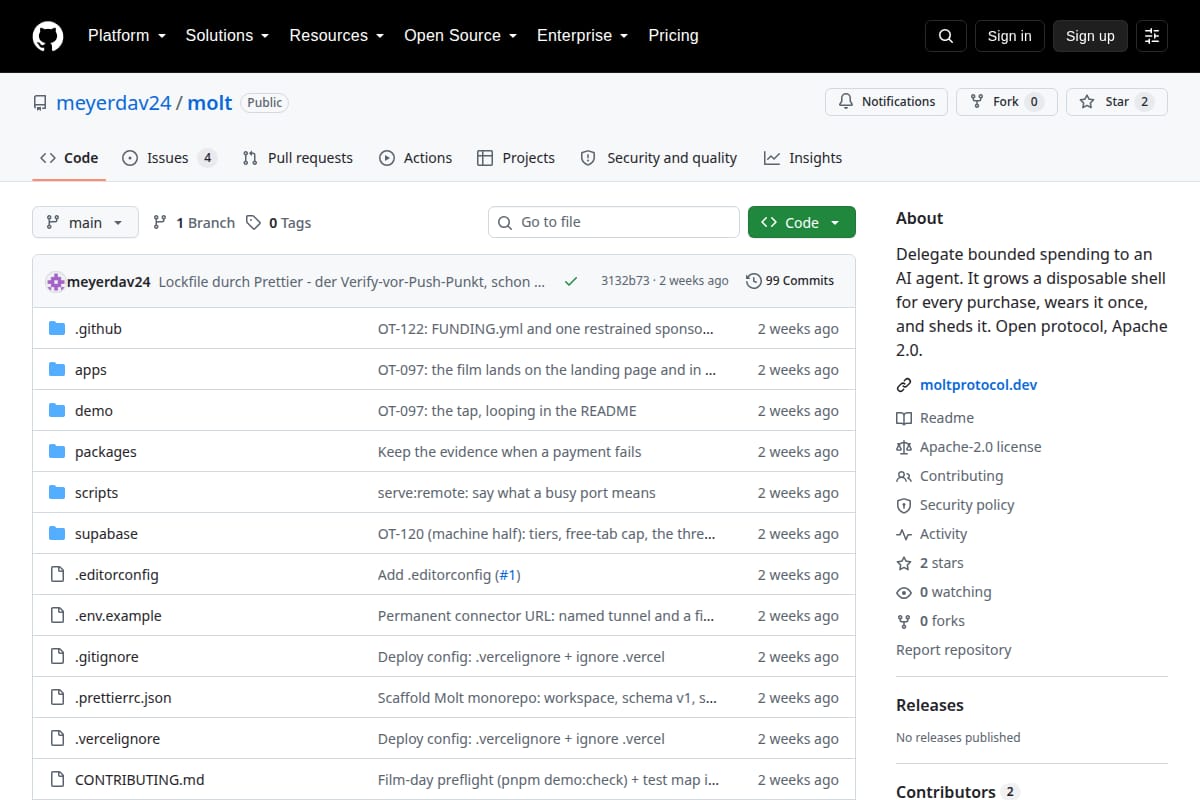
Aming Claw screenshot

Why it was accepted

The page clearly describes an AI-powered developer tool with a specific workflow for coordinating coding agents. It explains the core idea, how workers are scoped, how replay works, and how the demo can be run with Claude Code, Codex, or scripted workers. That gives enough evidence for a useful public listing.
Weakness

The snapshot is strong on the architecture story, but it does not show installation steps, API usage, screenshots, licensing, or release/activity details. A visitor still cannot tell how polished or easy the project is to adopt from this page alone.

Review status

96 days ago #1665 → 0

Last evaluated 96 days ago. Current rank #1665. Holding steady in the rankings.

Score history

77

Related listings

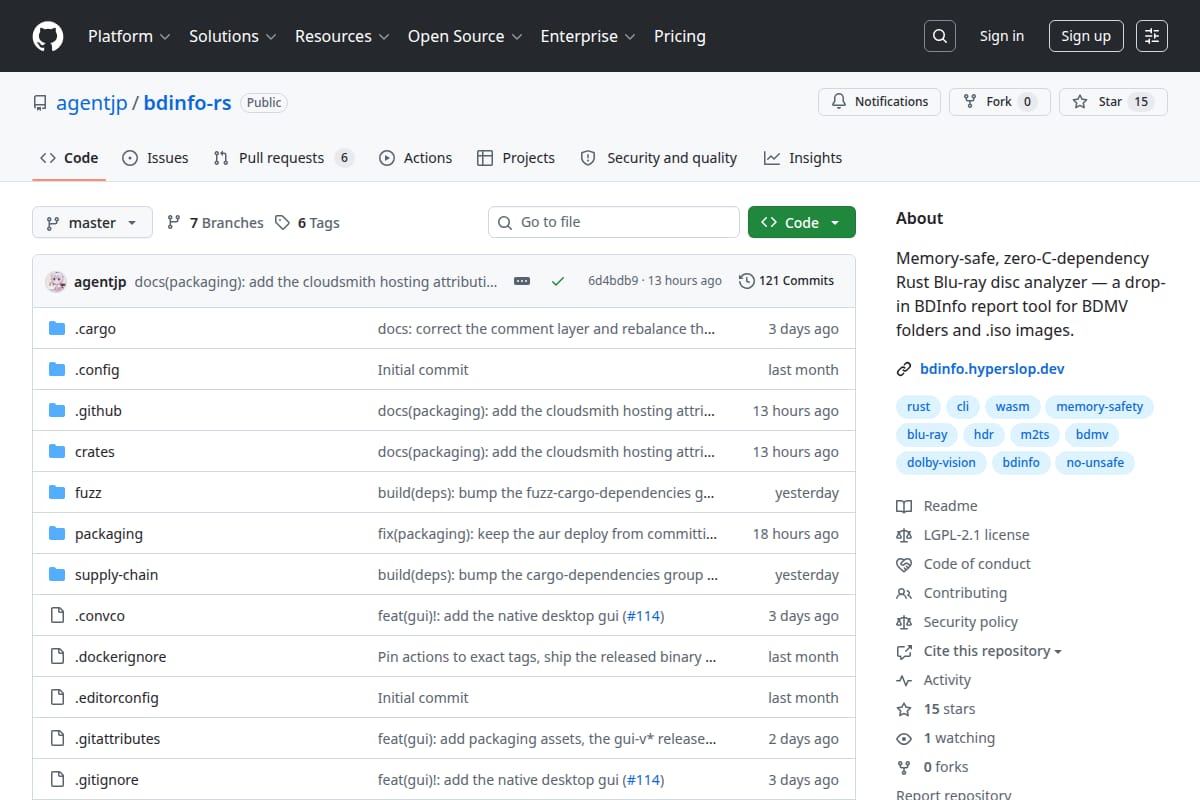
bdinfo-rs screenshot
92

Developer Tool / Media Analysis

A Rust Blu-ray disc analyzer that reimplements BDInfo for BDMV folders and ISO images, with CLI, desktop, and browser/WASM front ends.

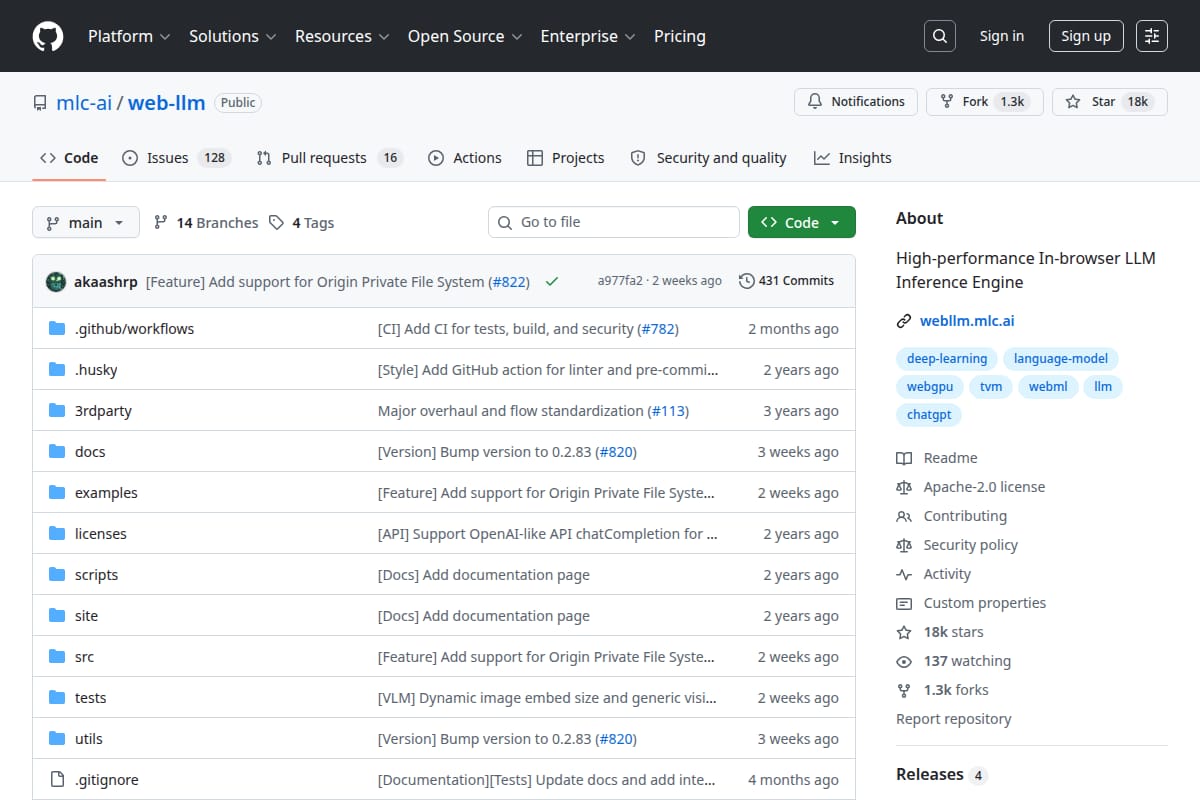
WebLLM screenshot
#7 WebLLM
92

Developer Tool / AI SDK / In-browser LLM inference

WebLLM is a high-performance in-browser LLM inference engine that runs locally in the browser with WebGPU acceleration. It exposes an OpenAI-compatible API, supports streaming and JSON mode, and includes examples for building chat apps and browser extensions.

Molt screenshot
#31 Molt
90

Developer Tool / AI Agent Infrastructure

Molt is an open protocol for letting an AI agent make bounded purchases through disposable, single-use payment credentials. The repo includes a clear quickstart, MCP integration, a threat model, and a working test-mode demo.

Flightdeck screenshot
90

Developer Tool / AI Observability

Self-hosted observability and control plane for production and coding AI agents, with live timelines, fleet-wide feeds, token budgets, MCP allow/block rules, and support for Claude Code plus a Python sensor.