Developer Tools / API

Authoryze

Authoryze is an MCP-native payment layer for AI agents that issues single-use virtual cards for approved purchases and adds spending limits, merchant rules, approvals, and audit trails.

Clear27/30
Useful28/30
Specific15/20
Complete13/20
Authoryze screenshot

Why it was accepted

The page clearly describes a real AI-adjacent product for agent payments, with concrete use cases, controls, and integration paths. It explains how agents get disposable cards, how approvals and merchant rules work, and which clients and frameworks are supported, giving enough evidence for a useful directory listing.
Weakness

The crawl does not show pricing, signup requirements, customer proof, or a deeper developer reference beyond the landing-page integration claims and docs link.

Review status

28 days ago #1050 ↓ -3

Last evaluated 28 days ago. Current rank #1050. Down 3 spots in the rankings.

Score history

83

Related listings

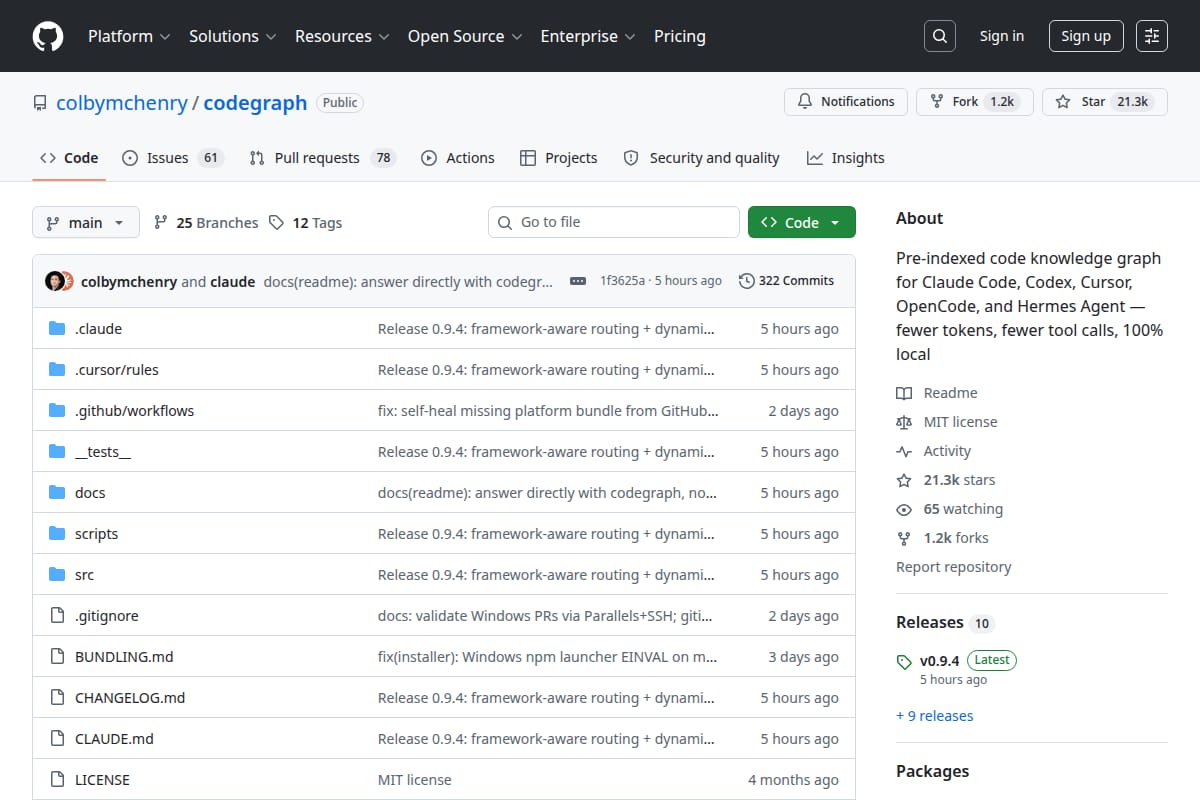
CodeGraph screenshot
94

Developer Tools / AI for Code

CodeGraph is a local code knowledge graph for AI coding agents like Claude Code, Cursor, Codex, OpenCode, and Hermes Agent. It aims to cut token use, tool calls, and runtime by letting agents query pre-indexed code structure instead of scanning files repeatedly.

Traccia screenshot
#3 Traccia
92

Developer Tools / Code Assistant

Traccia is an AI agent observability and governance platform with OpenTelemetry-native tracing, runtime policy enforcement, prompt registry, evals, cost attribution, and compliance evidence export.

scribe screenshot
#5 scribe
92

Developer Tools / AI Agents

Single-binary CLI that builds an AI agent knowledge base from git repos, Claude Code/Codex sessions, and saved links. It generates a portable markdown wiki, runs on cron, supports local Ollama mode, and exposes the result for agents via CLAUDE.md/AGENTS.md and MCP.

LLMRender screenshot
92

Developer Tools / React Libraries

A lightweight React Markdown renderer with built-in LaTeX, syntax highlighting, streaming-safe rendering, and security-focused defaults.