AI Agent / Multi-Agent Debate / Evaluation

protolink/examples/ai_courtroom

A ProtoLink example that stages autonomous agents in a fictional liability tribunal to study how agent-to-agent communication changes decisions, with replayable traces and HTML reports.

Clear25/30
Useful22/30
Specific18/20
Complete17/20
protolink/examples/ai_courtroom screenshot

Why it was accepted

The page clearly describes an AI-powered agent experiment with visible purpose, workflow, and outputs. It shows a concrete use case for builders: multi-agent communication, juror-style deliberation, replayable opinion changes, model/provider experiments, and generated JSON, transcripts, and HTML reports. That is enough evidence for a useful public listing.
Weakness

The snapshot does not show installation steps, how to run the example, or any concrete API surface beyond the README narrative. It also does not show benchmarks, sample outputs, or maintenance/release details.

Review status

21 days ago #1186 ↓ -2

Last evaluated 21 days ago. Current rank #1186. Down 2 spots in the rankings.

Score history

82

Related listings

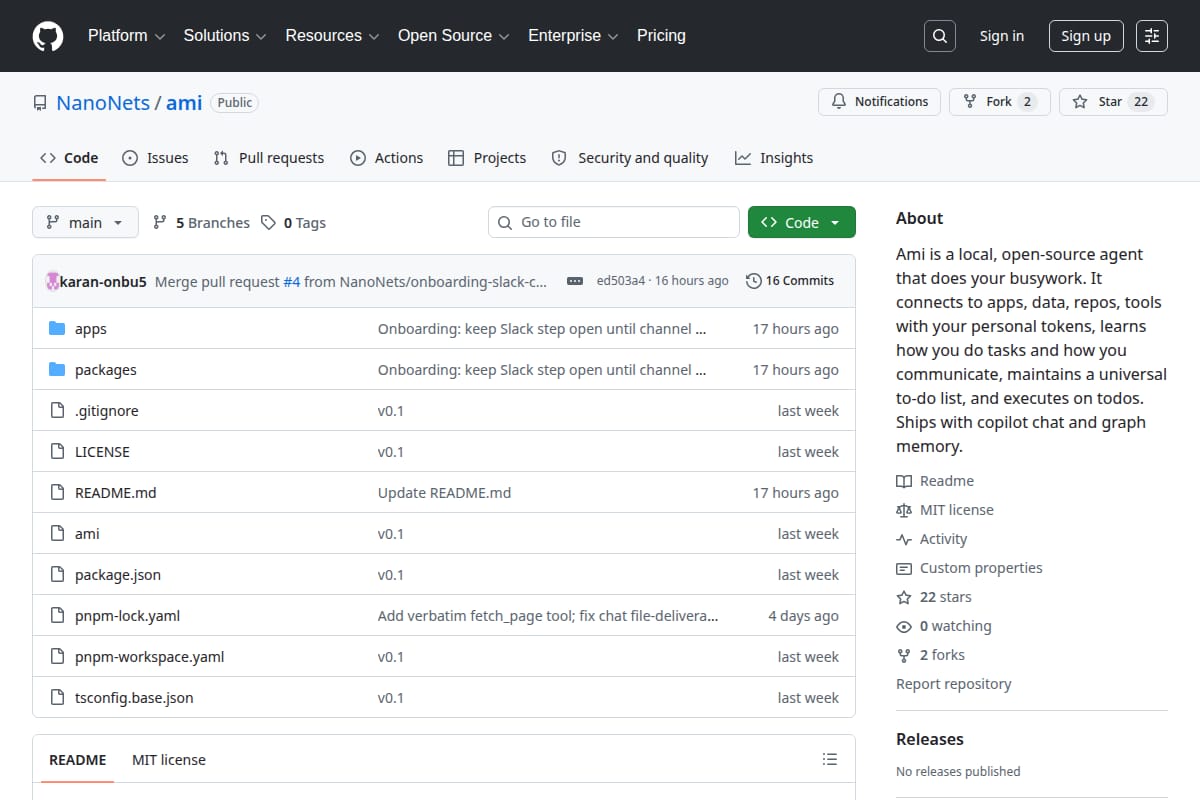
Ami screenshot
#107 Ami
89

AI Agent / Personal Productivity

Ami is a local, open-source AI agent that connects to apps and tools with your own tokens, keeps a universal to-do list, and runs busywork on your behalf. It includes copilot chat and graph memory, and runs on your machine with local data storage.

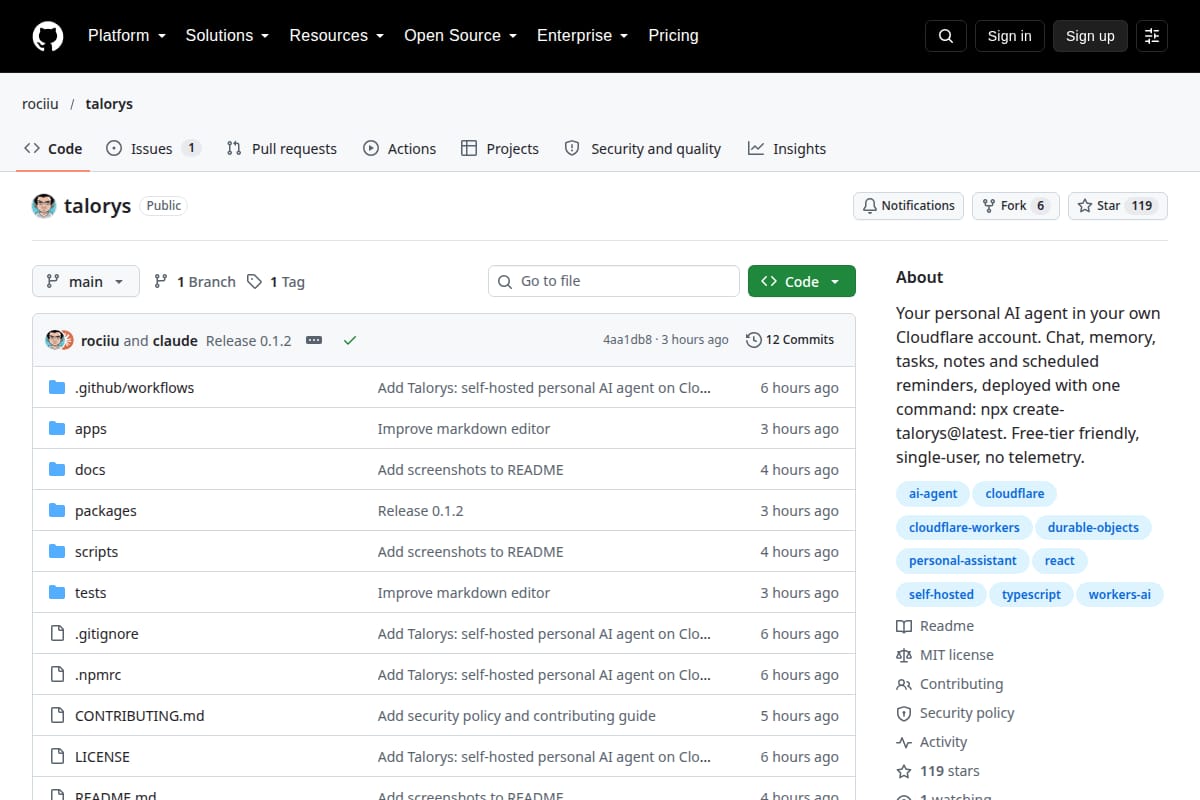
Thio's Universal Agent screenshot

AI Agent / Computer Use / Desktop Automation

A Windows desktop agent that lets AI interact with any app through visual GUI control, with a portable single-EXE build and support for ChatGPT, Gemini, and Claude.

Hestia screenshot
#688 Hestia
85

AI Agent / Home Assistant

A local-first, self-hosted home assistant that runs a local LLM as a single brain for Home Assistant, voice, memory, reminders, media control, and other scoped tools.

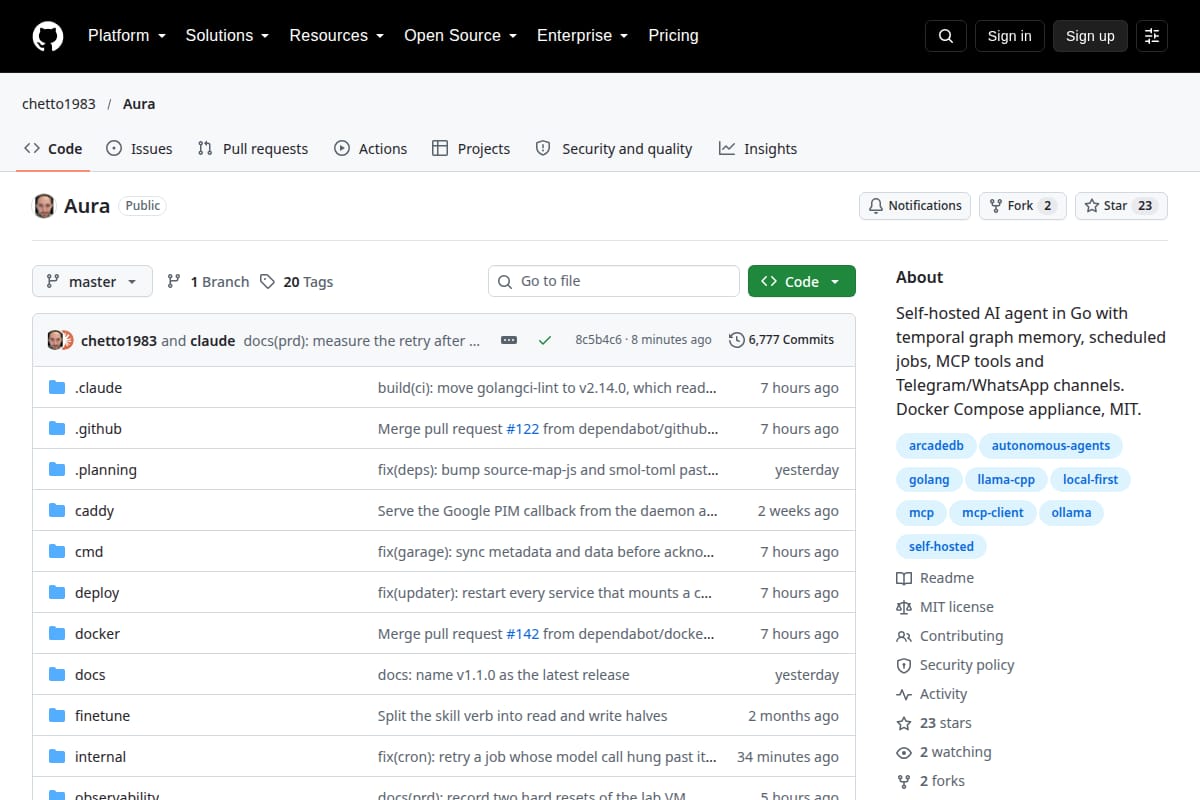
Autodidact screenshot
#961 Autodidact
84

AI Agent / Self-improving assistant

Open-source local-first AI agent that routes between local and cloud LLMs, learns from escalations, and stores knowledge for future queries. The repo includes a quickstart, setup modes, and a concrete explanation of how it ingests docs and improves over time.