Writing / Copywriting

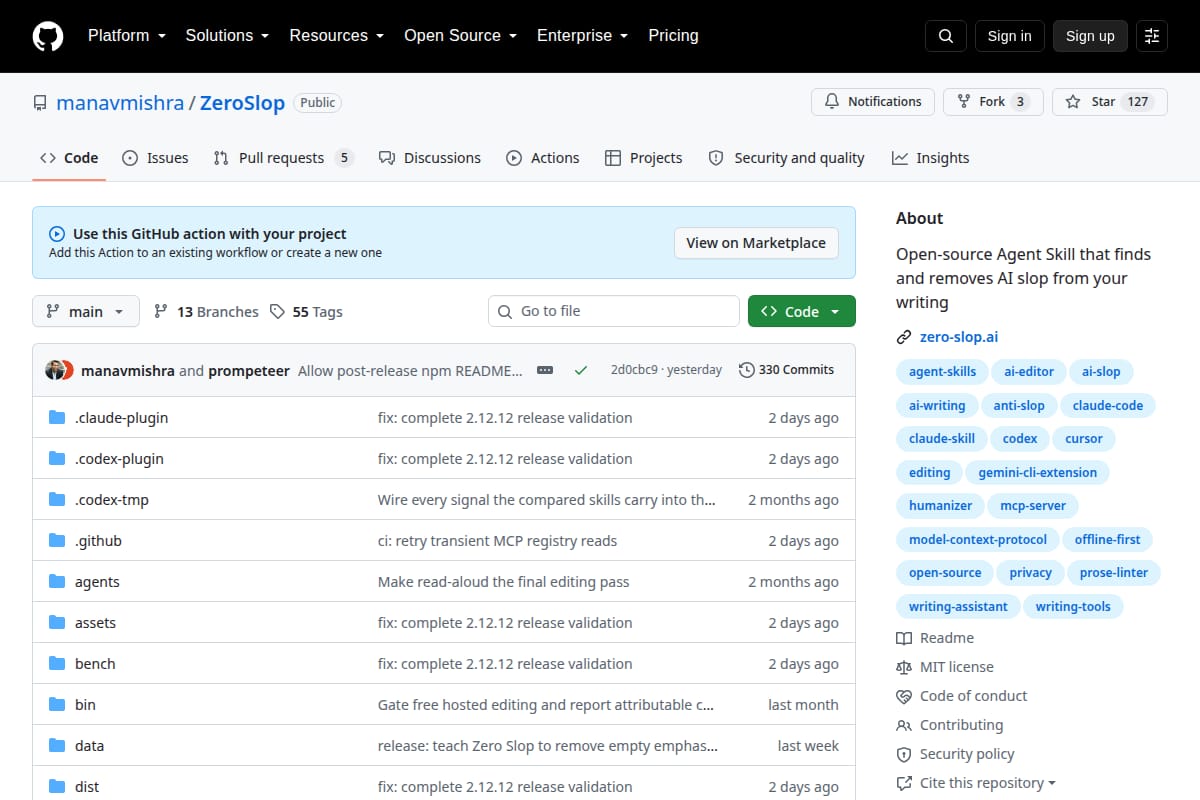
AI Agent Guidelines for CS336 at Stanford

A GitHub-hosted guidelines file for AI coding assistants used in Stanford CS336. It tells assistants how to help students with debugging, explanations, and feedback while avoiding direct solutions or code generation.

Clear27/30
Useful18/30
Specific12/20
Complete15/20
AI Agent Guidelines for CS336 at Stanford screenshot

Why it was accepted

The page clearly describes an AI-adjacent, useful artifact: guidelines for how AI assistants should behave in a real course setting. The snapshot includes enough content to understand the purpose, the intended audience, and the do/don’t rules for assistance, making it suitable for a public listing.
Weakness

The snapshot does not show authorship, maintenance context, or how these guidelines are actually used in the course workflow. It also does not show any integration with a specific tool or agent beyond policy text.

Review status

45 days ago #1113 ↑ +1

Last evaluated 45 days ago. Current rank #1113. Up 1 spot in the rankings.

Score history

72

Related listings

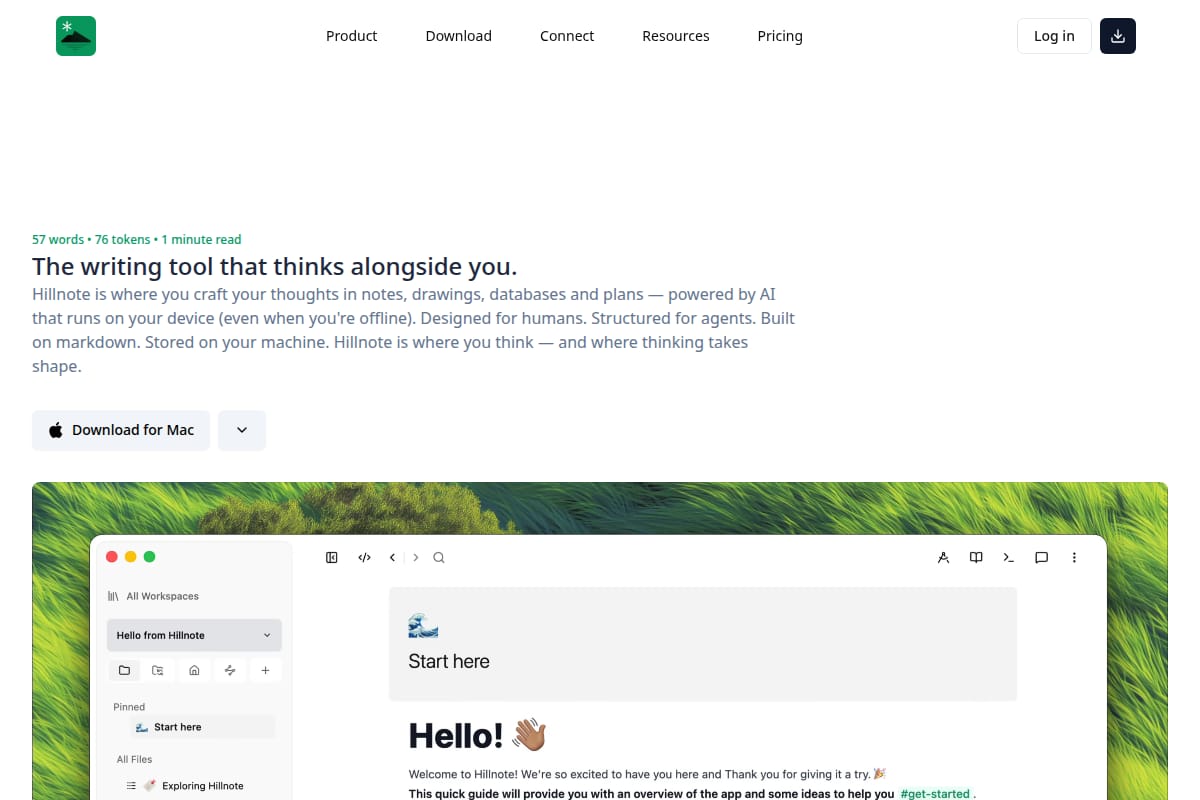
Hillnote screenshot
#52 Hillnote
89

Writing / Copywriting

Hillnote is a local-first writing workspace for notes, documents, databases, and plans, with AI features that run on-device and optional cloud models. It supports markdown files on disk, sync across devices, and direct use by agents through MCP and CLI access.

ITransBook screenshot
#135 ITransBook
88

Writing / Translation

Local-first desktop app for AI document translation and side-by-side comparison, with support for multiple engines and cloud APIs.

SEOAgent screenshot
#194 SEOAgent
87

Writing / Copywriting

SEOAgent is an SEO workflow tool for coding agents like Claude Code, Cursor, and Codex. It audits sites locally, suggests evidence-backed updates in the cloud, and syncs approved changes back into the repo.

ForthWrite screenshot
#198 ForthWrite
87

Writing / Email Assistants

ForthWrite is a Chrome extension for Gmail that learns a user’s email voice from sent messages and edits. This page explains its retrieval-and-feedback loop in detail, including pgvector-based RAG, edit-distance scoring, a phrasing miner, and the stack behind the product.