AI Developer Tool / CLI / Dev Workflow

claude-thermos

A local CLI tool that keeps Claude Code sessions warm by refreshing prompt cache during long subagent runs, aiming to reduce re-encoding costs in extended sessions.

Clear28/30
Useful26/30
Specific16/20
Complete13/20
claude-thermos screenshot

Why it was accepted

The page clearly describes a real AI developer tool with a specific job: keeping Claude Code prompt caches warm during long sessions. The README shows how it works, how to run it with uvx, the Python and Claude CLI requirements, tuning flags, logs, and the savings model, which is enough evidence for a useful public listing.
Weakness

The crawl does not show install instructions beyond the uvx command, tests or release status, or support for anything outside Claude Code. It also isn’t clear how much setup is needed for first-time use beyond having Python 3.11+ and the Claude CLI installed.

Review status

29 days ago #972 ↓ -3

Last evaluated 29 days ago. Current rank #972. Down 3 spots in the rankings.

Score history

83

Related listings

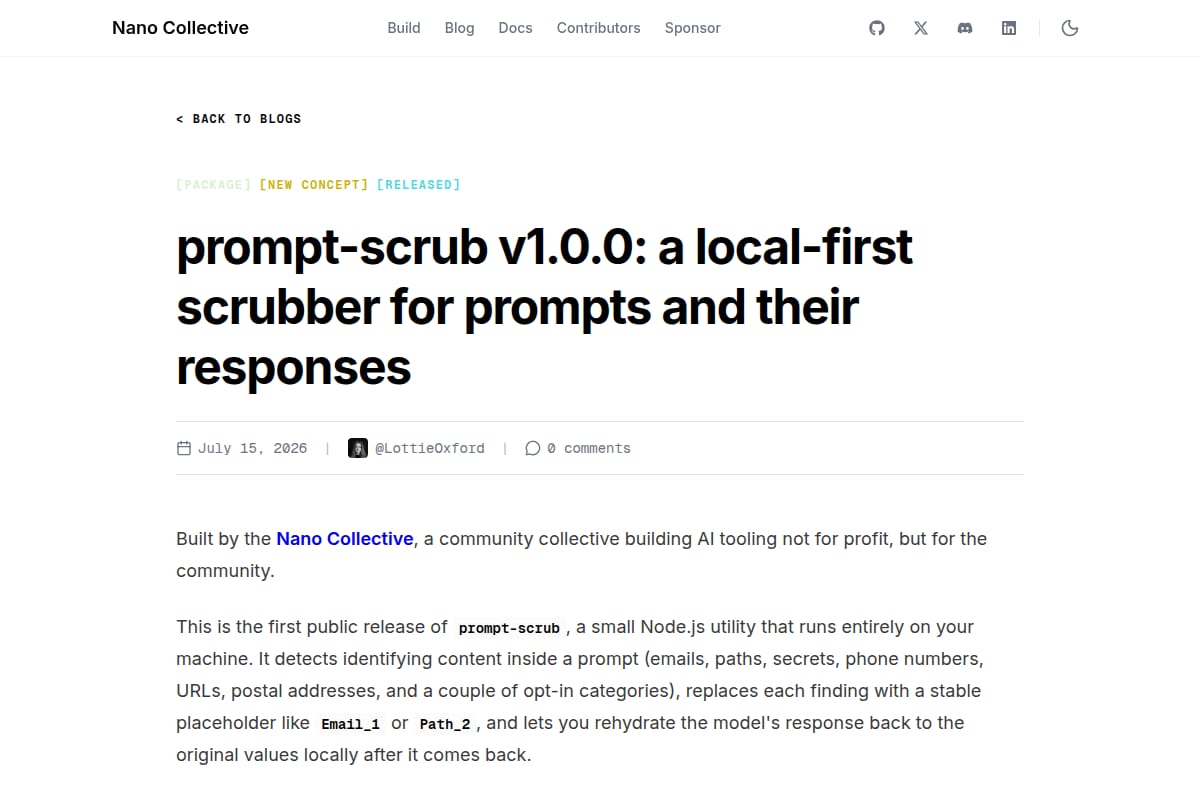
prompt-scrub screenshot
90

AI Developer Tool / Prompt privacy / PII redaction

A local-first Node.js utility that redacts emails, phone numbers, paths, secrets, URLs, and other identifiers from LLM prompts, then rehydrates responses locally using session-based mappings.

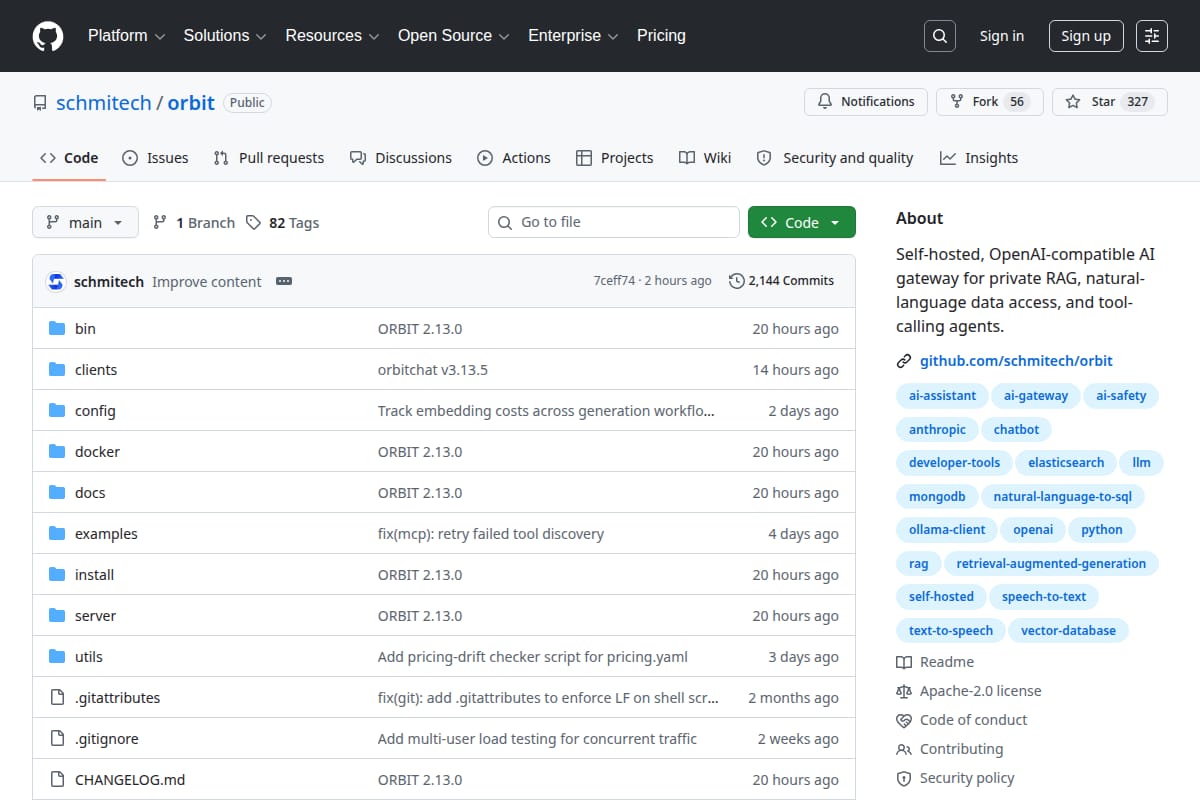
ORBIT screenshot
#91 ORBIT
89

AI Developer Tool / AI Gateway / RAG Backend

Self-hosted, OpenAI-compatible AI gateway for private RAG, natural-language data access, and tool-calling agents. It connects files, databases, vector stores, APIs, and MCP tools through one backend with auth, observability, and governance features.

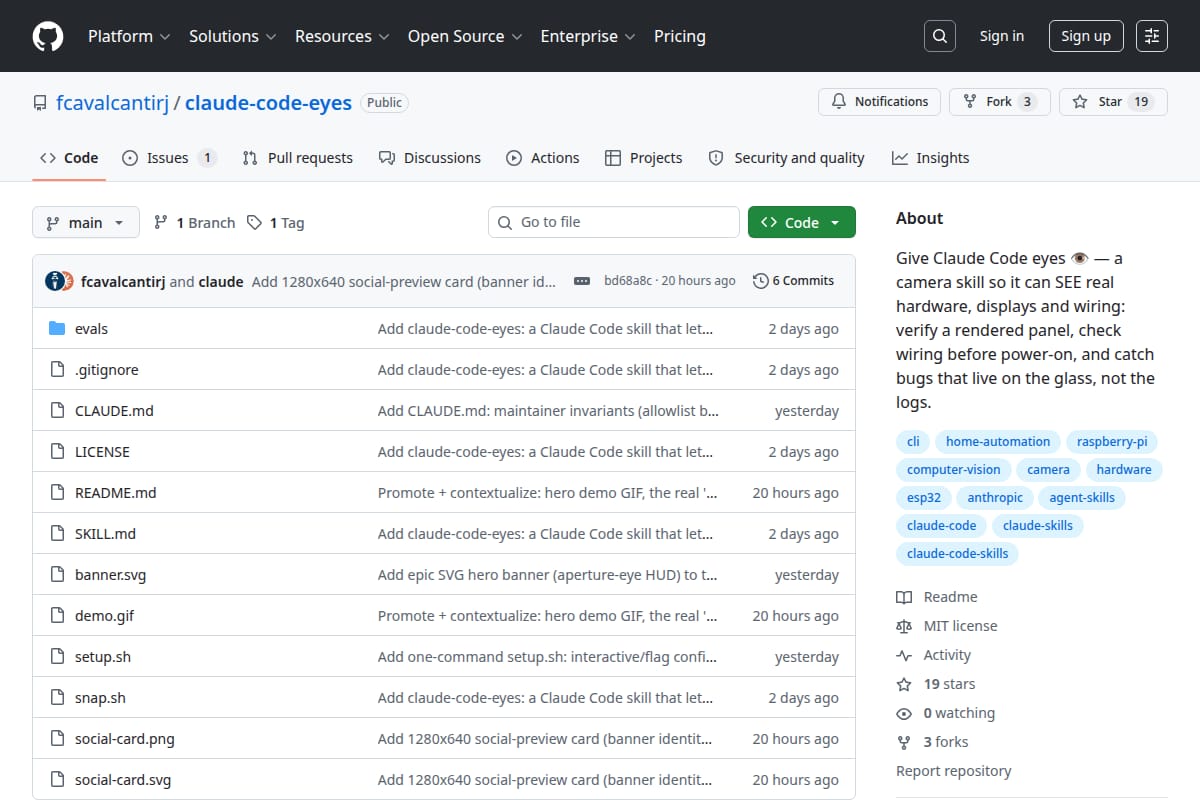
claude-code-eyes screenshot

AI Developer Tool / Vision / Hardware Verification

A Claude Code skill that lets the model inspect live camera frames so it can verify hardware displays, spot wiring issues, and check physical UI behavior on real devices.

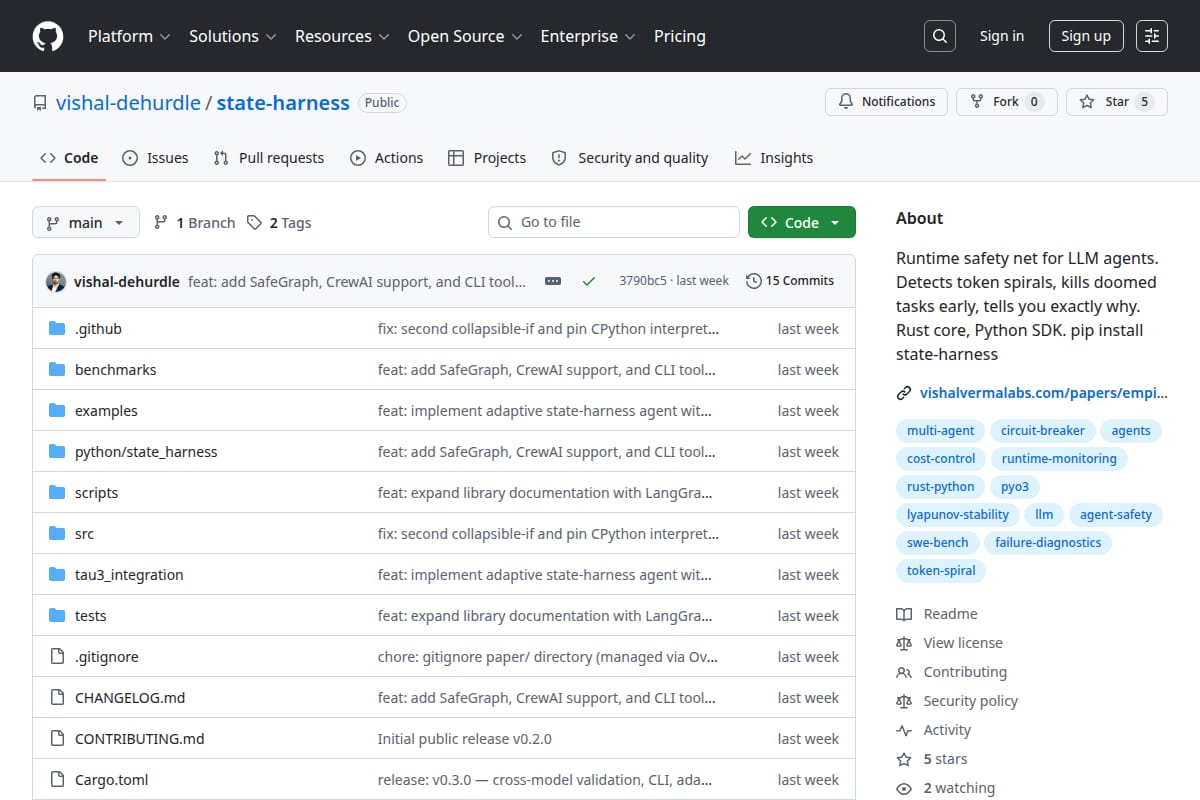
state-harness screenshot
89

AI Developer Tool / LLM Agent Monitoring

Runtime safety net for LLM agents that detects runaway token growth, classifies failure patterns, and suggests fixes without extra LLM calls. The project includes a Rust core, Python SDK, examples, benchmarks, and benchmark claims across multiple models and runs.