AI Developer Tool / Orchestration / Control Panel

Prompt Hospital

An isometric, Theme Hospital-inspired control panel for an AI team, with drag-and-drop task assignment, a journal-backed backend API, and dispatcher scripts for running models.

Clear27/30
Useful24/30
Specific17/20
Complete14/20
Prompt Hospital screenshot

Why it was accepted

The snapshot shows a concrete AI-powered developer tool with a clear purpose: visualizing and operating an AI orchestrator. It includes a frontend, backend API, journal-based state, dispatcher logic, and installation steps, which is enough for a useful public listing.
Weakness

The crawl does not show a live demo working end-to-end, nor does it reveal screenshots or runtime output beyond the README text. It’s also unclear which models are supported out of the box and how polished the deployment story is beyond the documented local setup.

Review status

15 days ago #1553 ↓ -2

Last evaluated 15 days ago. Current rank #1553. Down 2 spots in the rankings.

Score history

82

Related listings

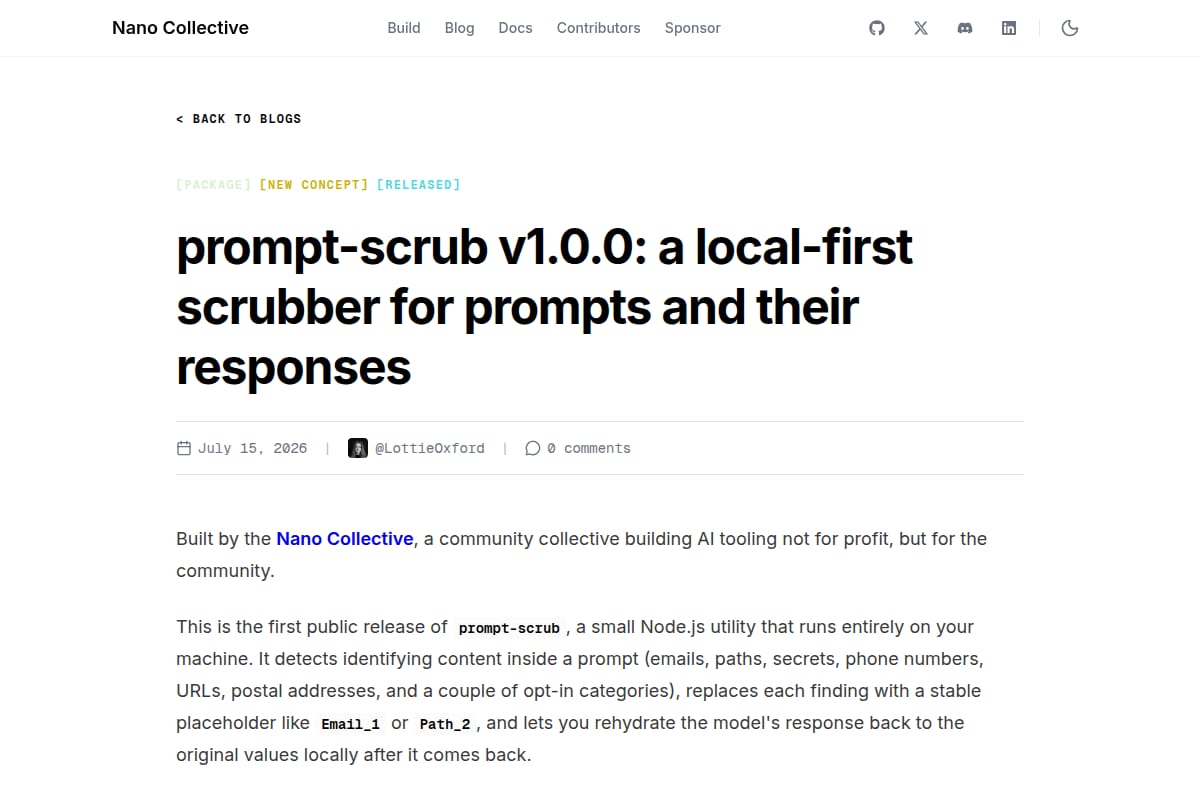
prompt-scrub screenshot
90

AI Developer Tool / Prompt privacy / PII redaction

A local-first Node.js utility that redacts emails, phone numbers, paths, secrets, URLs, and other identifiers from LLM prompts, then rehydrates responses locally using session-based mappings.

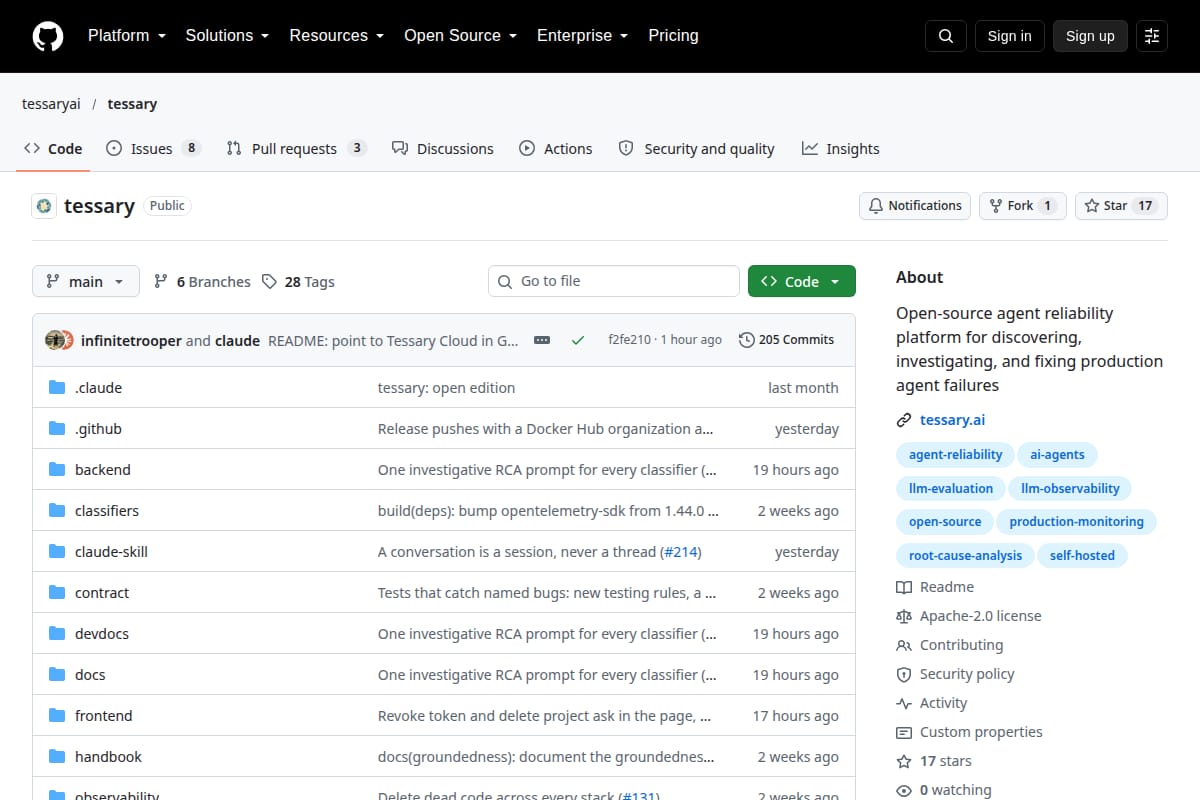
Tessary screenshot
#107 Tessary
89

AI Developer Tool / Agent reliability / observability

Open-source platform for monitoring AI agents in production, detecting failures, grouping incidents into cases, and investigating root causes with trace and repository evidence.

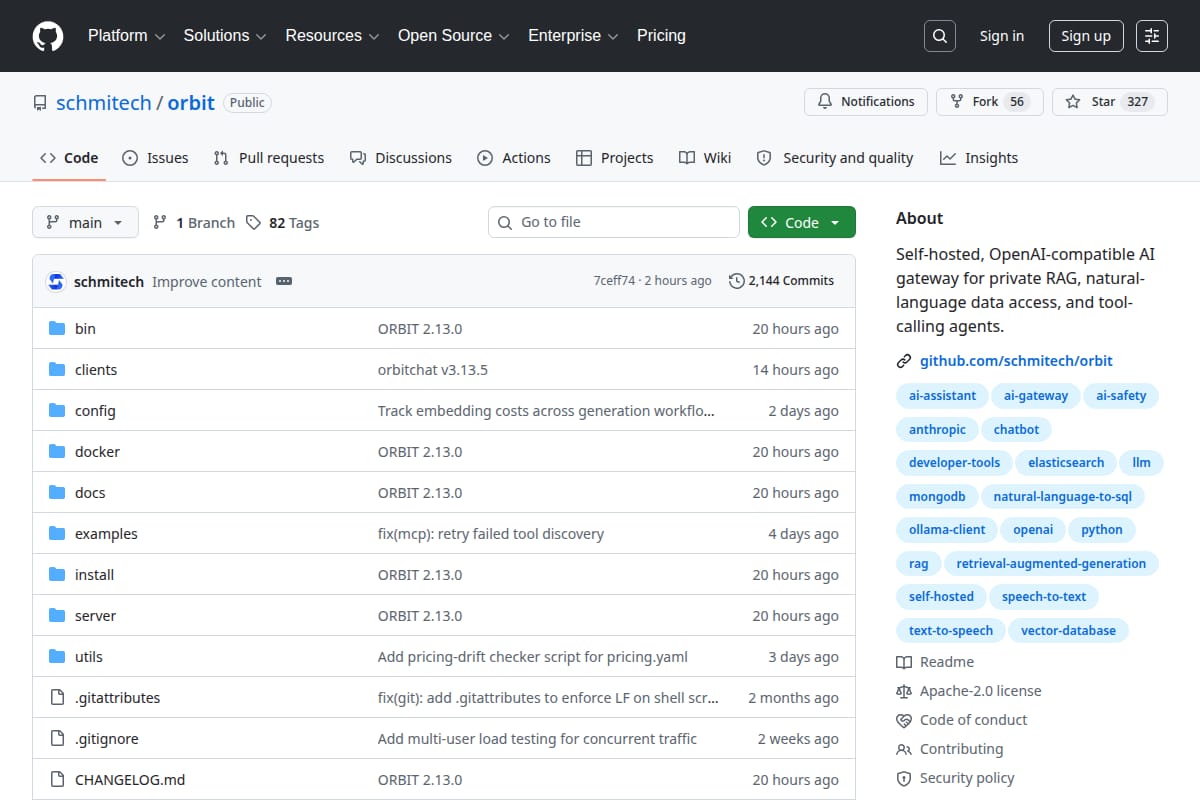
ORBIT screenshot
#157 ORBIT
89

AI Developer Tool / AI Gateway / RAG Backend

Self-hosted, OpenAI-compatible AI gateway for private RAG, natural-language data access, and tool-calling agents. It connects files, databases, vector stores, APIs, and MCP tools through one backend with auth, observability, and governance features.

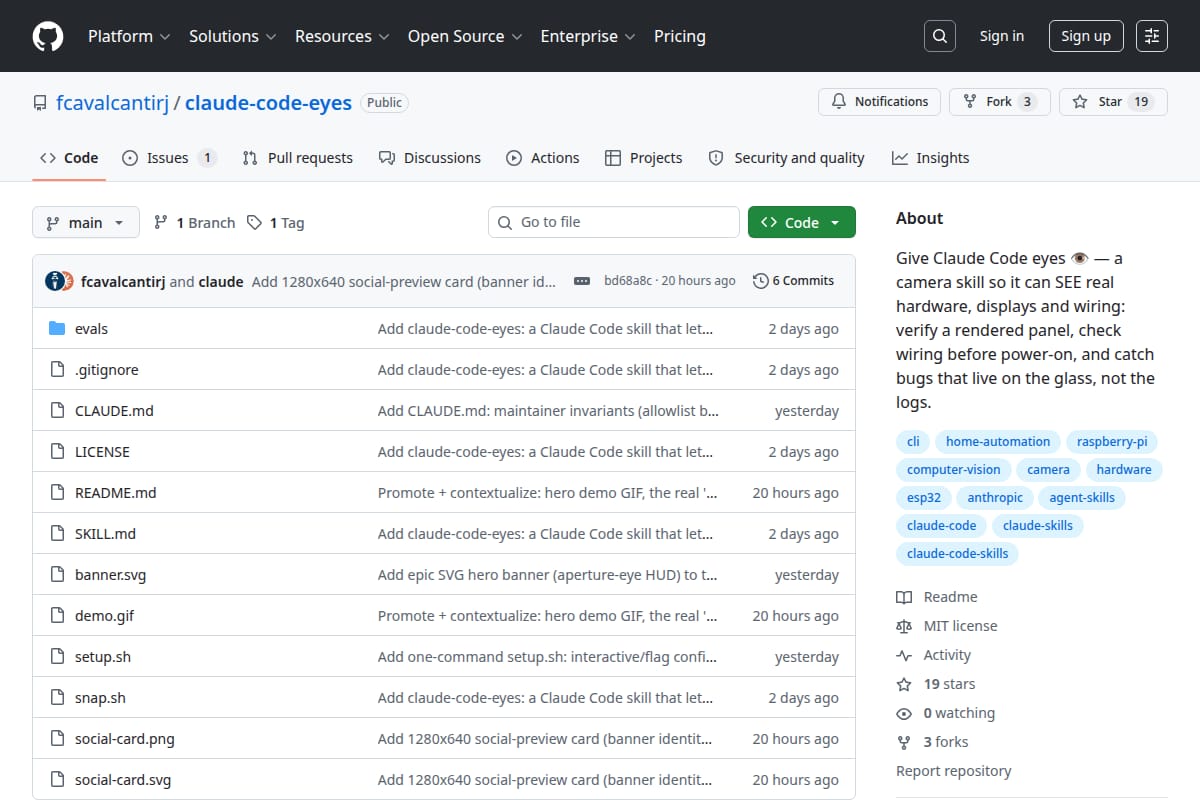
claude-code-eyes screenshot

AI Developer Tool / Vision / Hardware Verification

A Claude Code skill that lets the model inspect live camera frames so it can verify hardware displays, spot wiring issues, and check physical UI behavior on real devices.