Writing / Copywriting

The pronoun problem in agent identity

An essay arguing that second-person system prompts create attentional overhead and identity fragmentation in agent design, and proposing first-person initialization as an alternative.

Clear26/30
Useful20/30
Specific17/20
Complete15/20
The pronoun problem in agent identity screenshot

Why it was accepted

The page is a substantive AI-adjacent paper with a clear thesis, detailed sections, and concrete discussion of agent initialization, prompt grammar, attention, and identity continuity. It offers enough visible content to support a useful public listing and is clearly relevant to AI builders and prompt/agent designers.
Weakness

The crawl shows the opening sections and outline, but not the full paper text, references, or any empirical validation. From the snapshot alone, a visitor cannot tell whether the claims are supported by measurements, experiments, or implementation details.

Review status

100 days ago #1607 ↑ +6

Last evaluated 100 days ago. Current rank #1607. Up 6 spots in the rankings.

Score history

78

Related listings

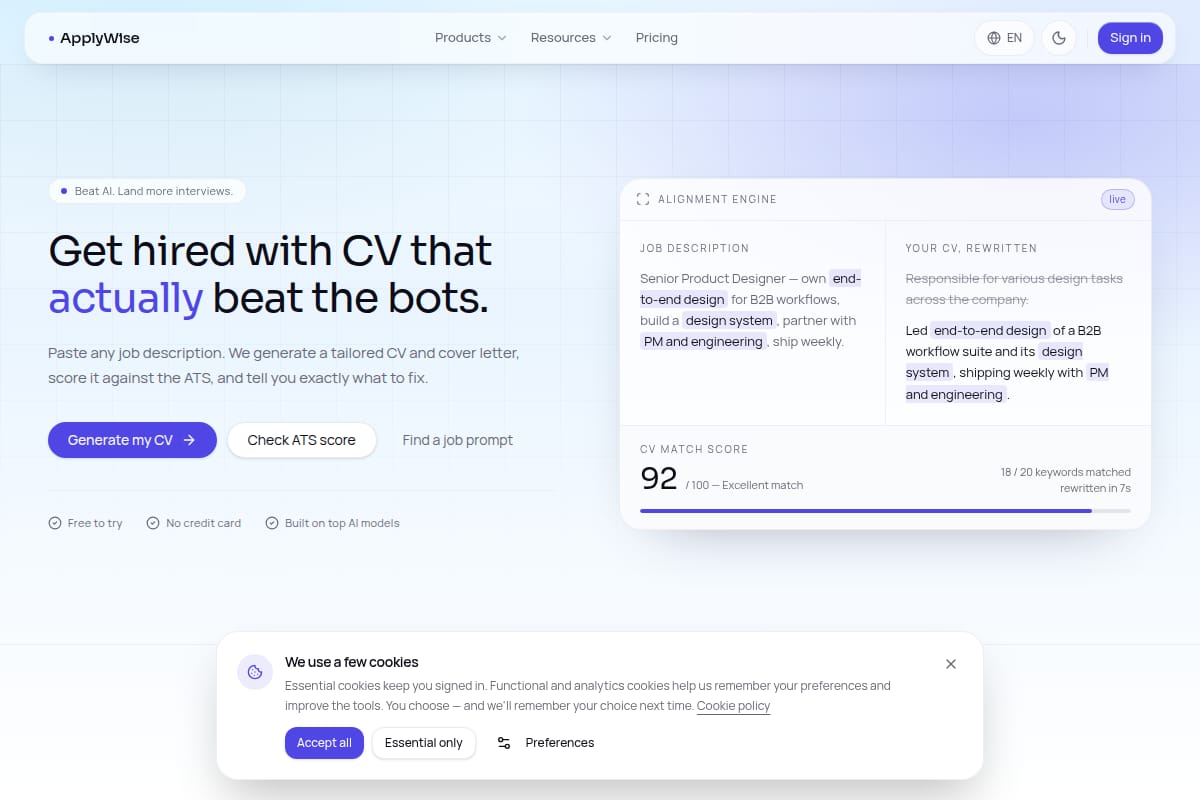
ApplyWise screenshot
#92 ApplyWise
89

Writing / Copywriting

ApplyWise is an AI job-hunt toolkit that generates ATS-friendly CVs and cover letters, scores applications against job descriptions, rewrites drafts to sound more natural, and offers a prompt library for job seekers.

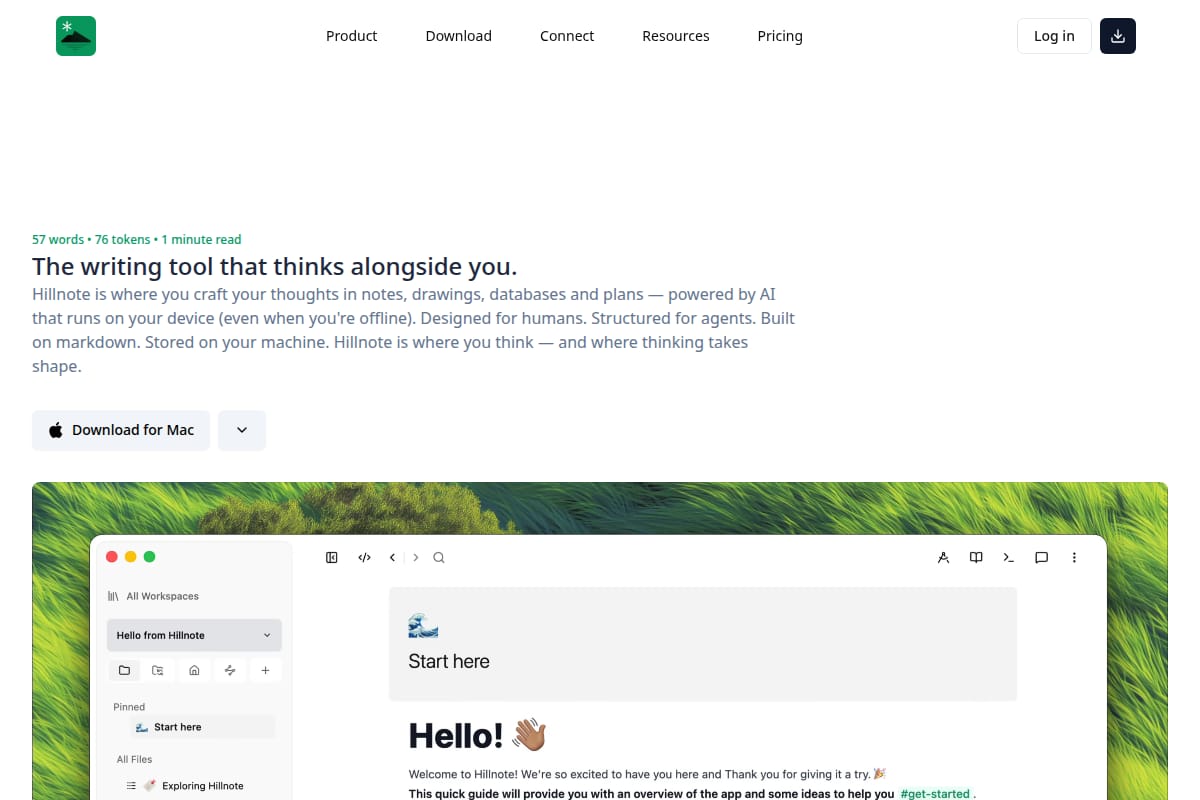
Hillnote screenshot
#119 Hillnote
89

Writing / Copywriting

Hillnote is a local-first writing workspace for notes, documents, databases, and plans, with AI features that run on-device and optional cloud models. It supports markdown files on disk, sync across devices, and direct use by agents through MCP and CLI access.

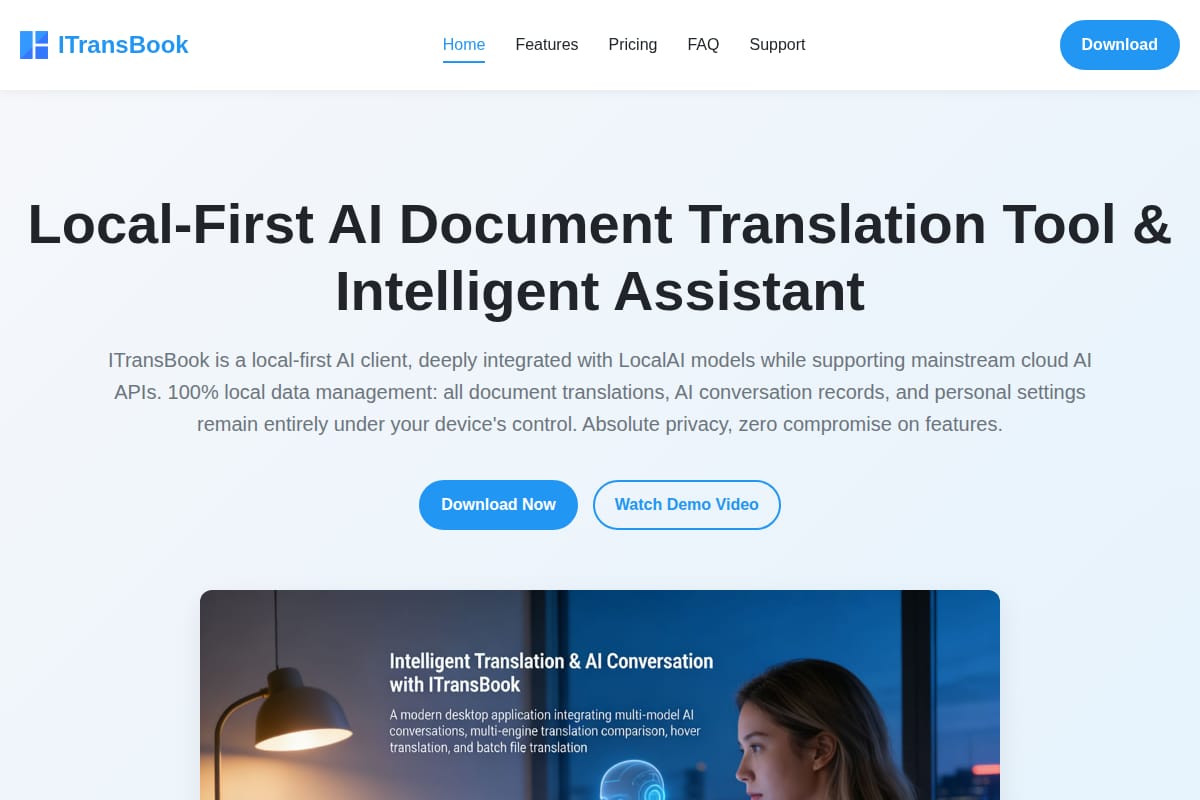
ITransBook screenshot
#274 ITransBook
88

Writing / Translation

Local-first desktop app for AI document translation and side-by-side comparison, with support for multiple engines and cloud APIs.

SEOAgent screenshot
#366 SEOAgent
87

Writing / Copywriting

SEOAgent is an SEO workflow tool for coding agents like Claude Code, Cursor, and Codex. It audits sites locally, suggests evidence-backed updates in the cloud, and syncs approved changes back into the repo.