Research / Knowledge Work

ThoughtDAG

An open-source, local-first canvas for editing LLM context as a graph. It lets users branch, prune, merge, and inspect the exact context sent to a model, with a desktop app, web demo, and support for Ollama and OpenAI-compatible endpoints.

Clear28/30
Useful27/30
Specific16/20
Complete15/20
ThoughtDAG screenshot

Why it was accepted

The page clearly presents a real AI-focused product with a specific workflow: making LLM context visible and editable through a graph. The snapshot includes enough detail for a useful public listing, including how it works, key features, deployment options, supported endpoints, and links to desktop/web versions.
Weakness

The snapshot does not show pricing, system requirements, repository activity, or how far the desktop app goes beyond the demo. It also does not show full setup documentation or the limits of the supported integrations.

Review status

16 days ago #442 ↑ +2

Last evaluated 16 days ago. Current rank #442. Up 2 spots in the rankings.

Score history

86

Related listings

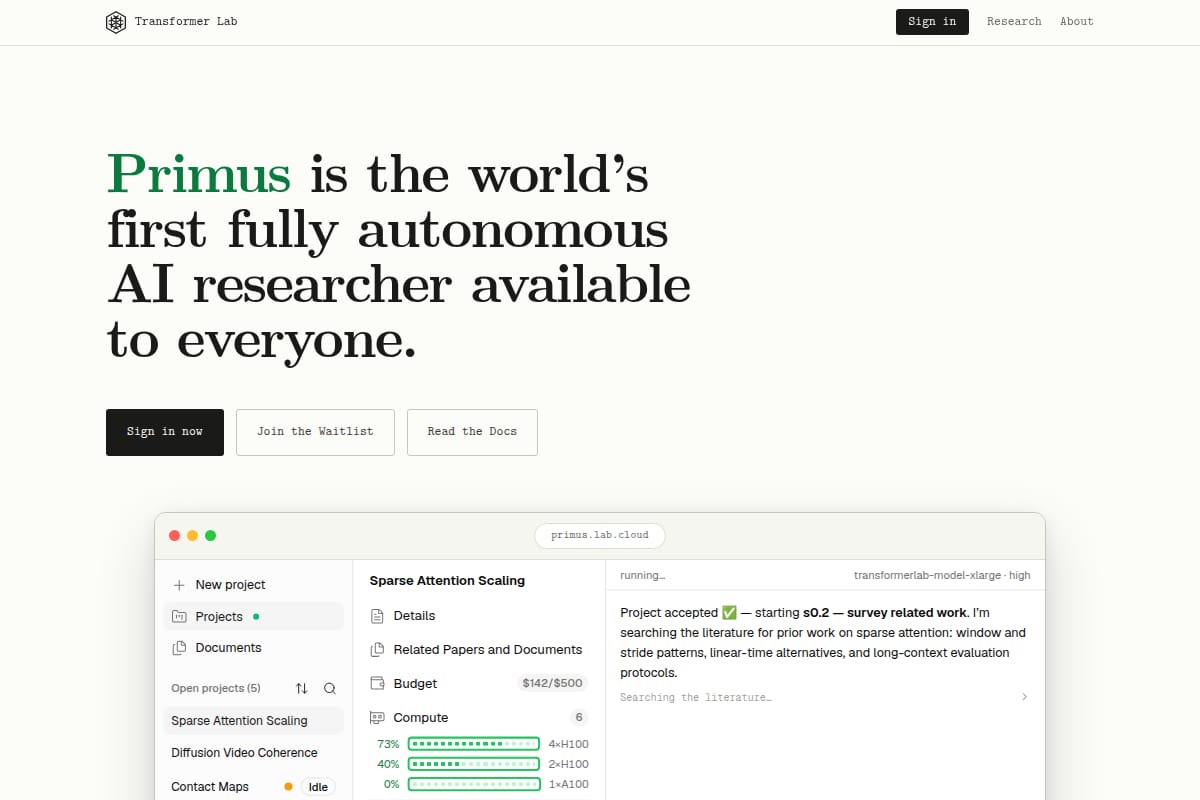
Primus AI Researcher – Free screenshot

Research / Knowledge Work

Primus is an autonomous AI researcher that hypothesizes, reads papers, writes code, runs experiments on compute, and drafts research papers. The page shows example tasks, published-paper claims, waitlist access, and positioning for ML research workflows.

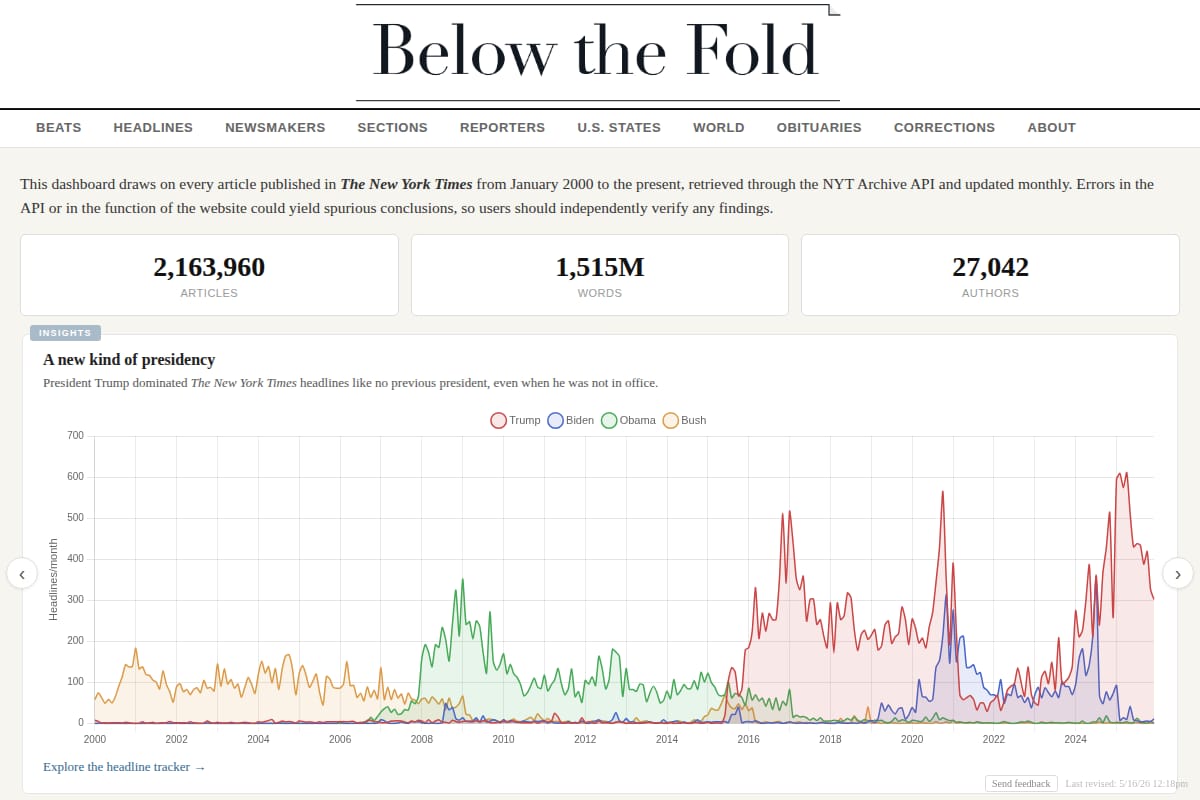
Below the Fold — A New York Times X-Ray Dashboard screenshot

Research / Data Visualization

An interactive dashboard that analyzes New York Times coverage since 2000 using the NYT Archive API, with views for reporters, beats, sections, subjects, geography, obituaries, and corrections.

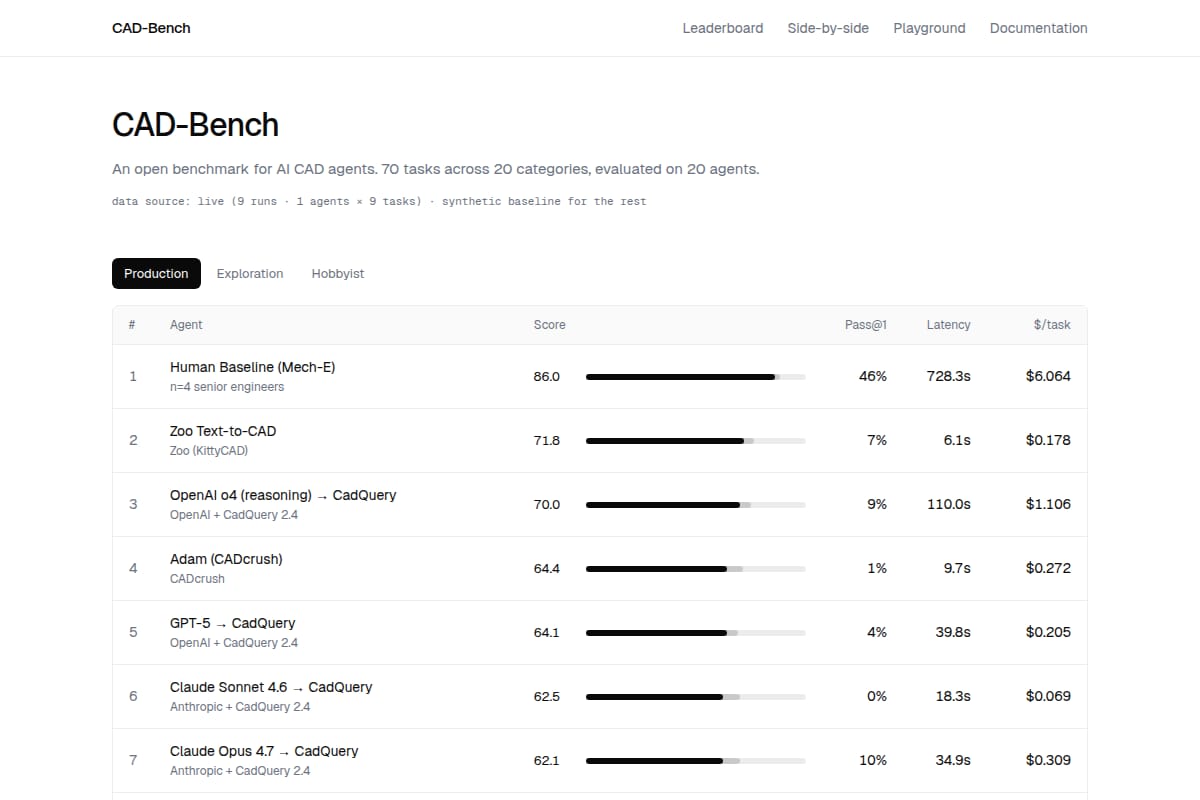
CAD-Bench screenshot
#302 CAD-Bench
88

Research / Knowledge Work

An open benchmark and leaderboard for AI CAD agents, with 308 prompts across 20 categories and layered scoring for geometry, engineering, manufacturability, and cognition.

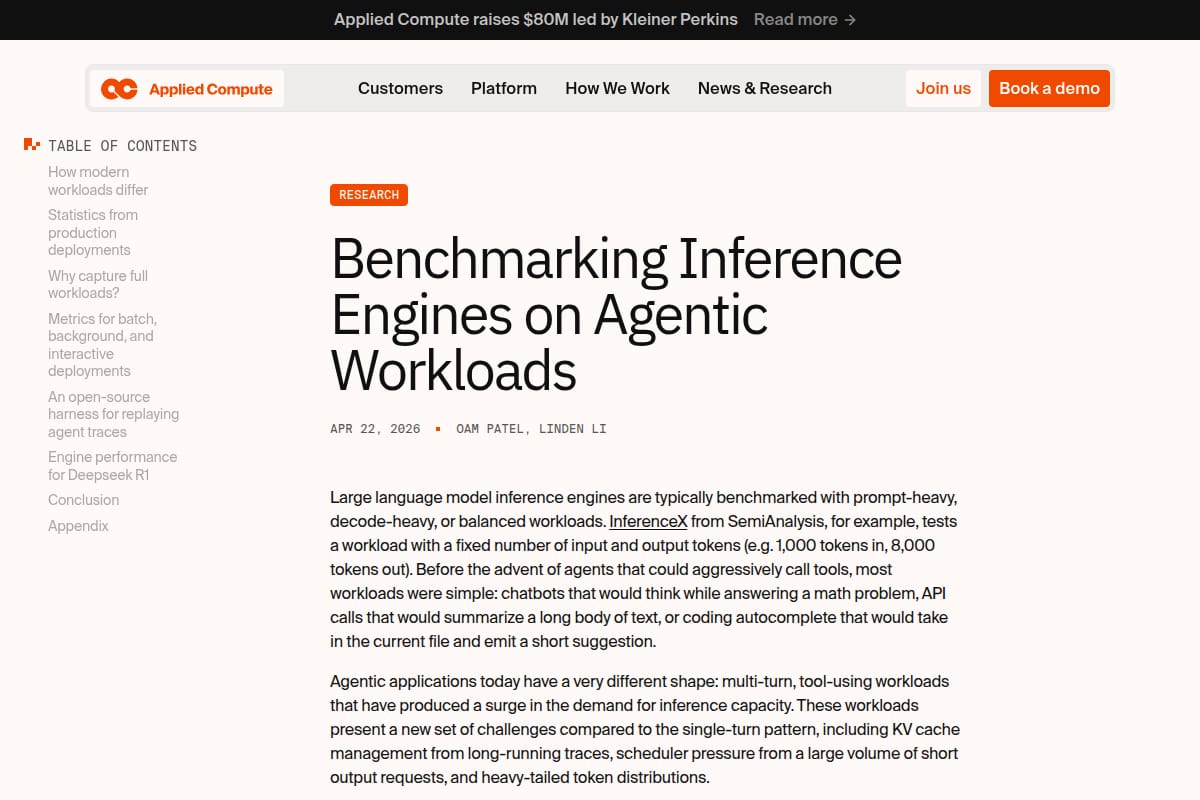
Benchmarking Inference Engines on Agentic Workloads screenshot

Research / Knowledge Work

A research article from Applied Compute on how agentic, tool-using workloads differ from traditional LLM benchmarks, with production observations, workload profiles, and an open-source harness for replaying traces.