Writing / Copywriting

A primer: how an LLM actually serves a request

A technical primer that explains how LLM inference works, covering weights in GPU memory, prefill vs. decode, the KV cache, and batching.

Clear28/30
Useful25/30
Specific16/20
Complete15/20
A primer: how an LLM actually serves a request screenshot

Why it was accepted

The page is a substantive AI-adjacent educational article with strong visible evidence of technical depth. It clearly explains core LLM serving concepts, names specific mechanisms like prefill, decode, KV cache, and batching, and is part of a larger series on inference behavior. There is enough content here for a useful public listing.
Weakness

This snapshot looks like an article rather than a tool or product, so it does not offer software features, installation steps, or a call to action. The crawl also cuts off near the end, so the full scope of the series and any linked resources are not fully visible.

Review status

7 days ago #745 ↓ -6

Last evaluated 7 days ago. Current rank #745. Down 6 spots in the rankings.

Score history

84

Related listings

ApplyWise screenshot
#92 ApplyWise
89

Writing / Copywriting

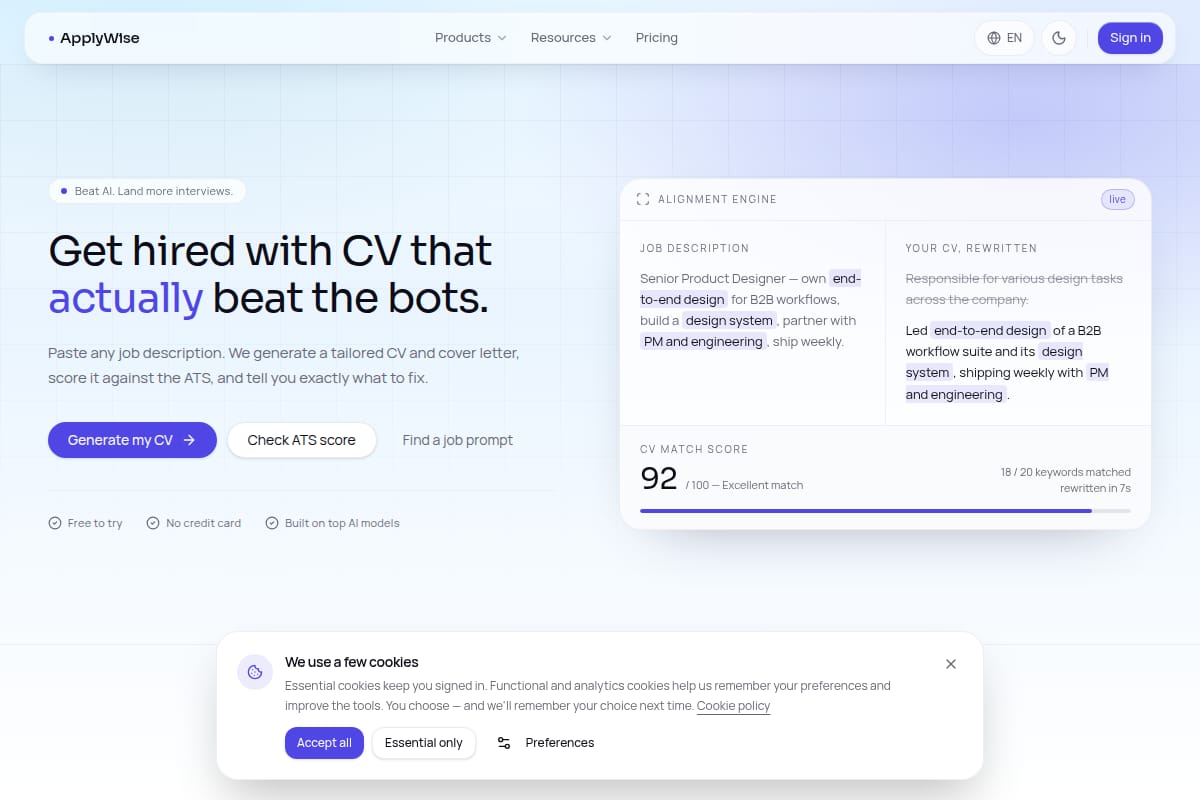
ApplyWise is an AI job-hunt toolkit that generates ATS-friendly CVs and cover letters, scores applications against job descriptions, rewrites drafts to sound more natural, and offers a prompt library for job seekers.

Hillnote screenshot
#119 Hillnote
89

Writing / Copywriting

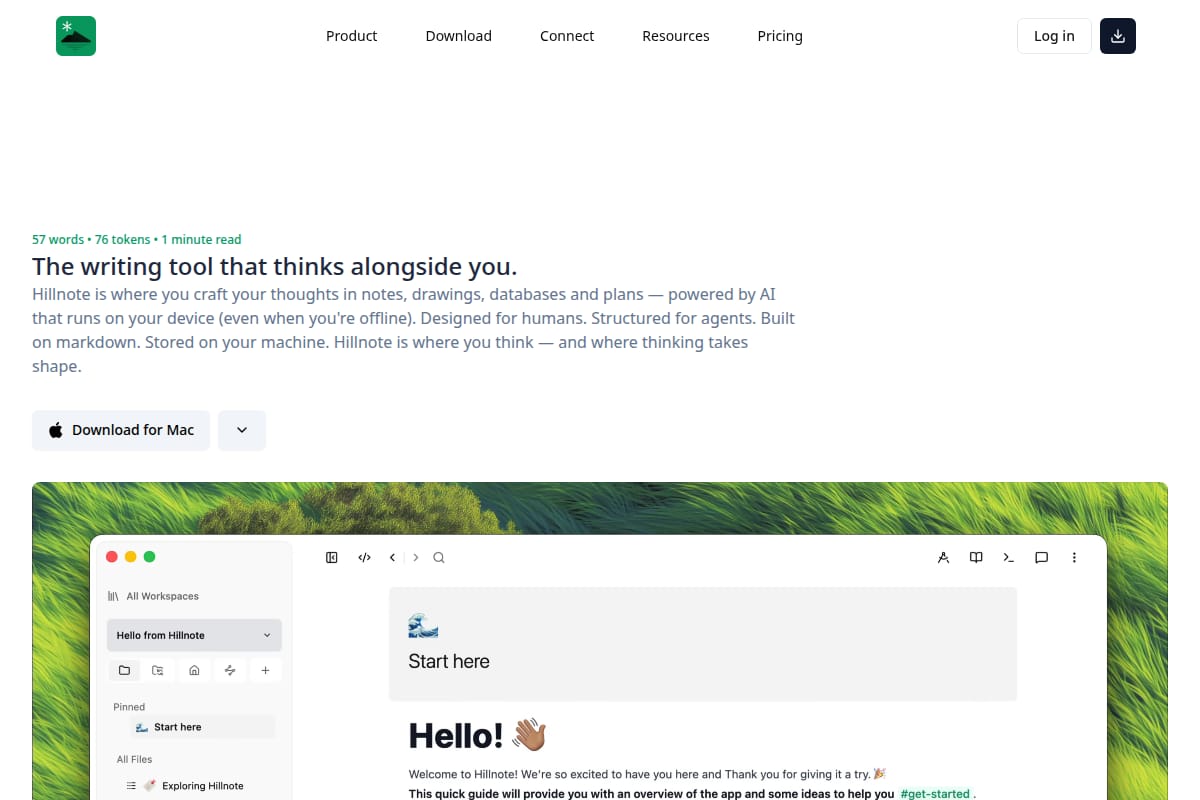
Hillnote is a local-first writing workspace for notes, documents, databases, and plans, with AI features that run on-device and optional cloud models. It supports markdown files on disk, sync across devices, and direct use by agents through MCP and CLI access.

ITransBook screenshot
#274 ITransBook
88

Writing / Translation

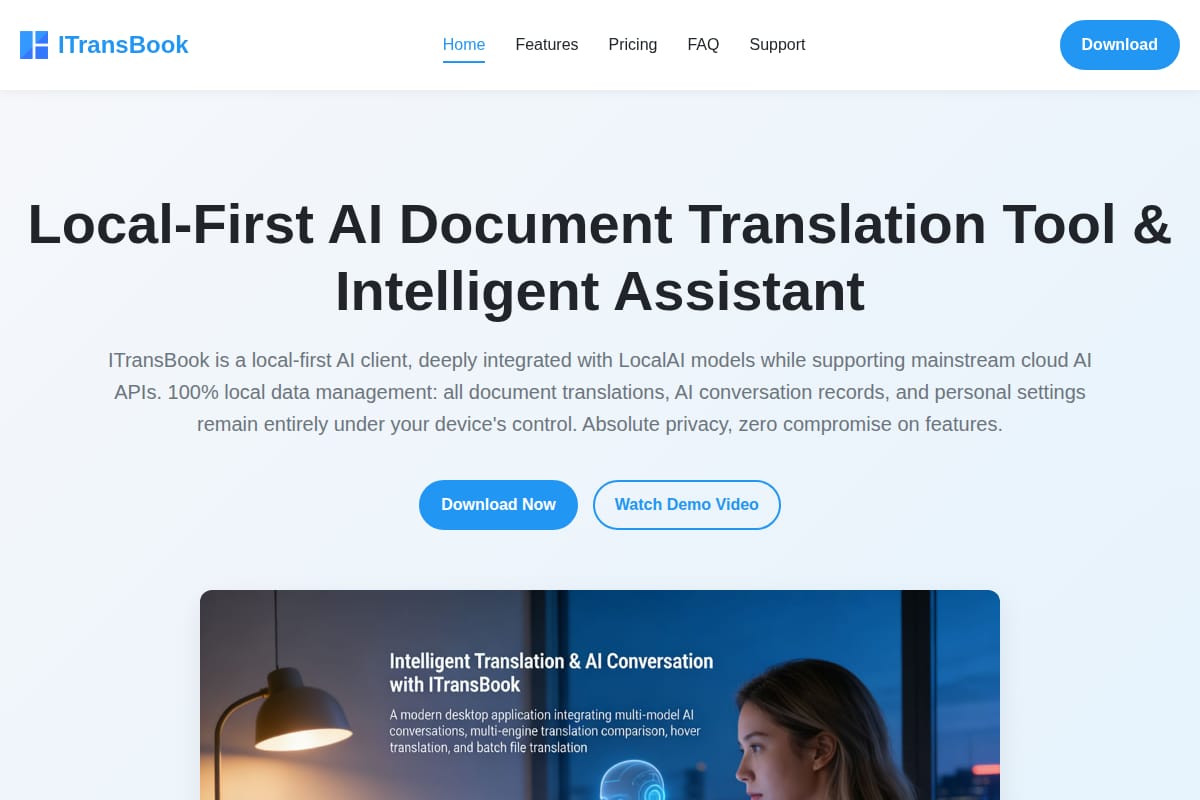
Local-first desktop app for AI document translation and side-by-side comparison, with support for multiple engines and cloud APIs.

SEOAgent screenshot
#366 SEOAgent
87

Writing / Copywriting

SEOAgent is an SEO workflow tool for coding agents like Claude Code, Cursor, and Codex. It audits sites locally, suggests evidence-backed updates in the cloud, and syncs approved changes back into the repo.